What Career Services Apps Help University Students Identify and Close Their Skill Gaps?
Four apps help university students identify and close their skill gaps. They are Leapath, Handshake, Forage, and Talentorial.
Summary
Four apps help university students identify and close their skill gaps. They are Leapath, Handshake, Forage, and Talentorial.
- Leapath is an AI SaaS platform that shows each student the exact skills they are missing for their target job role. It scores their readiness against that role, then builds a weekly plan to close the gap. Once a student is ready, Leapath connects them to employers hiring for that role.
- Handshake is a career services platform. It helps students close skill gaps through free project-based courses and paid project work, and it connects them to jobs and career events.
- Forage is a free platform of job simulations designed by employers. Students complete real-world tasks from companies in self-paced programs and earn a certificate for each one.
- Talentorial is an AI-powered career enablement platform. It combines skill assessments with one-on-one mentorship from industry professionals and learning modules that target each student’s gaps.
Introduction
An app can only help close a skill gap if it does two things well. It has to find the exact skill a student is missing, and it has to help the student fix that specific gap.
Most career services teams already have access to online platforms that help close the skill gap in different ways. The harder part is matching the right fix to each student’s actual gap, checking whether it worked, and proving that to an employer. This is different from general upskilling platforms, which assume a student already knows what they need to learn.
The following four apps currently help university students identify and close their skill gaps.
| Leapath | Handshake | Forage | Talentorial | |
|---|---|---|---|---|
| Best for (university size) | Small to large universities that want readiness data for the whole cohort | Mid-size to large universities that run jobs, events, and appointments in one system | Any size, especially teams with small budgets | Institutions that want mentorship alongside assessment |
| Free trial or pilot | Free semester trial | Free trial | Always free | Free trial |
| Pricing for institutions | Custom, based on the size and needs of the institution | Annual subscription for the university, based on student enrollment. Not published, but one third-party estimate is about $8,000 a year | Free for institutions, educators, and students. Employers pay to host programs | Quote based, with a freemium option |
| What your team sees | Readiness scores, cohort trends, at-risk students, skill gaps by department | Events, appointments, and outcomes, but not student skill gaps | Participation dashboard, but not readiness | — |
| Employer connection | Matched employers and shortlists | Large network of employers and events | Certificates, and employers are alerted when consenting students finish a simulation | Employer engagement built into the ecosystem |
Leapath
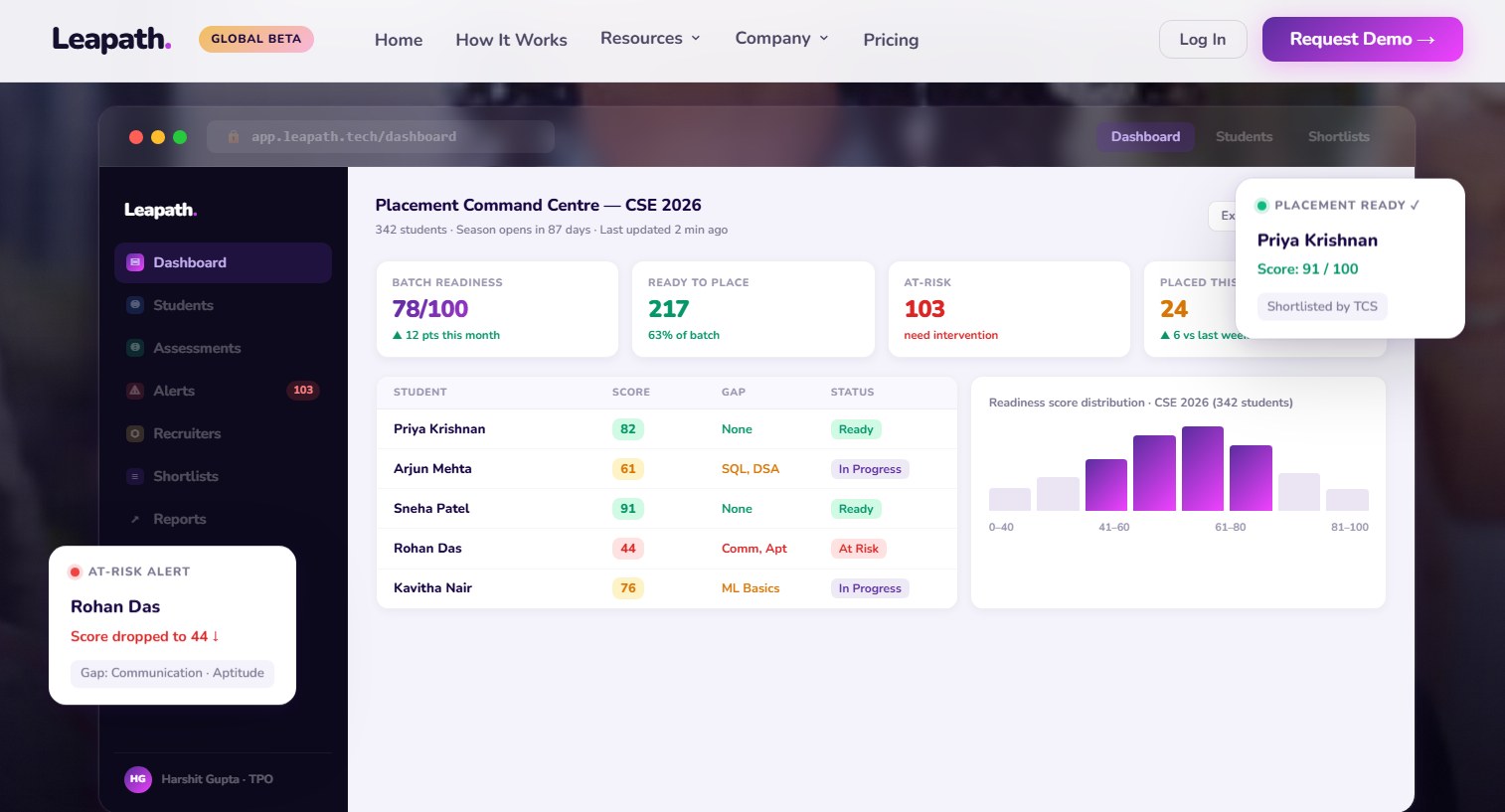
Leapath is an AI SaaS platform that helps career services teams see how ready their students are and act on it. Each student gets a sequenced, role-specific plan, not a static course list or a general certification recommendation. The platform shows the exact skills a student is missing for their target job role, scores their readiness against that role, and updates the score as each assessment, course, or mock interview is completed.
Who is it best for
Leapath suits career services teams at small to large universities that want to know which students are ready and who needs help first. It is built around student readiness, not around your team’s workflow, so it works best alongside the tools you already use to run fairs and appointments.
Pricing
Pricing is custom, based on the size and needs of the institution. Leapath is currently offering a free semester trial for university career services teams. Book a free consultation to see if it fits your students.
Features for your team
- Individual readiness scores for every student, so you can see where each one stands
- Cohort trends that show whether students are improving over time
- Skill gaps for the whole institute and for each department, so you know which skills to train and where
- An at-risk panel that groups students as low, medium, or high risk, so you know who needs help first
- An institute vs national average view that shows how your college compares with others
- A verification queue that checks resume details and certificates before employers see them
- Monthly reports you can send to deans or principals
- A hiring pipeline that tracks each student from applied to interviewed to hired
What your students get
- A readiness score out of 100, split into technical ability, communication, and problem solving
- A clear view of the skills holding them back for their target job roles
- Role fit scores for a primary, a secondary, and a tertiary target role, plus a weekly roadmap and tracker
- Curated courses mapped to their specific skill gaps, tied to a short-term and long-term plan
- A shareable public profile with readiness scores and verified skills, showing who has viewed it and which employers have shortlisted them
Once a student is ready, Leapath connects them directly with employers hiring for the roles they’re targeting.
Forage
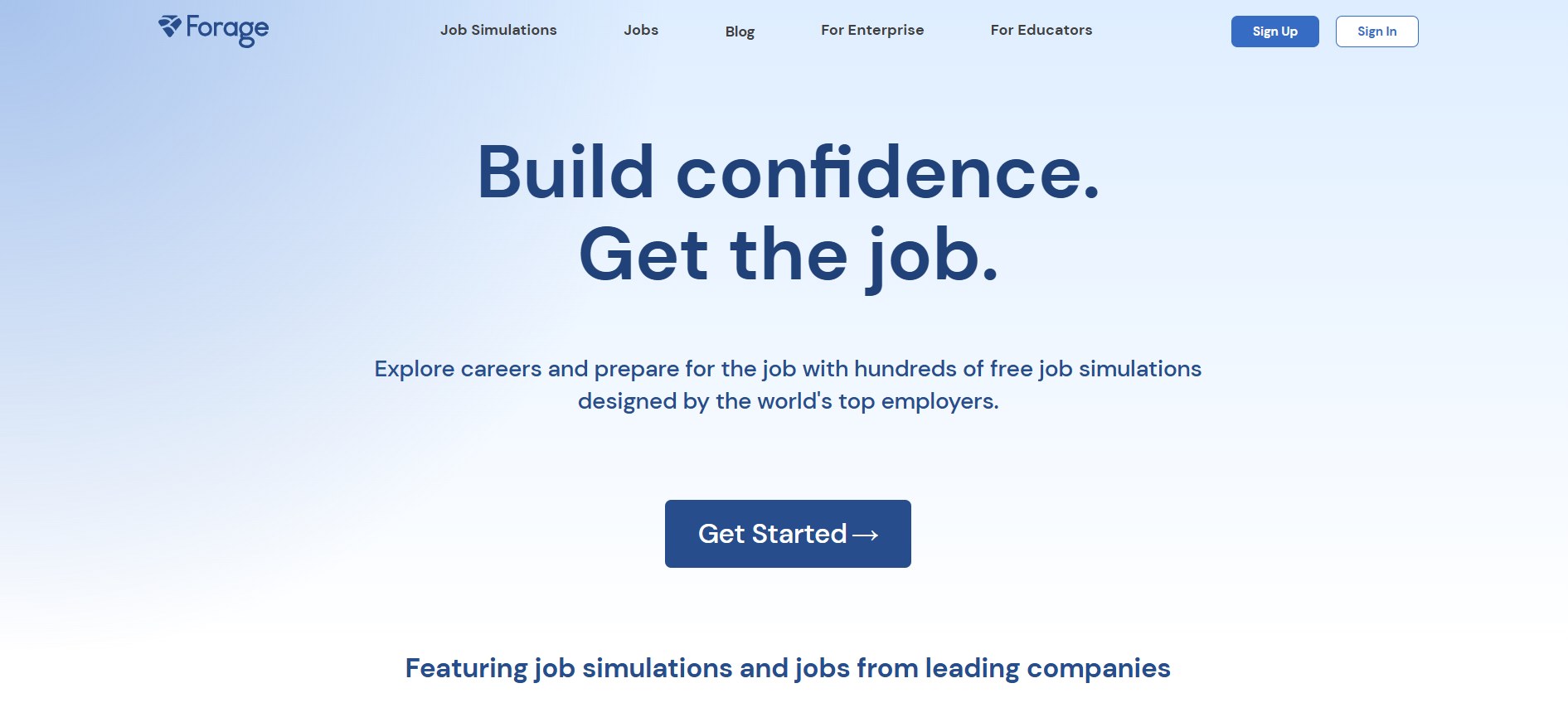
Forage is a free online platform that offers job simulations designed by leading employers. Students build skills by completing tasks that mirror real day-to-day work, instead of reading about a role.
Who is it best for
Forage suits career services teams at universities of any size, especially teams with small budgets that want to add practical experience for students at no cost. Many universities, including career centers at schools such as WashU and West Virginia University, point students to Forage.
Pricing
Forage is free for institutions, educators, and students. Employers pay to host their programs. There is no trial because the platform is always free.
Features for your team
- Custom landing pages for your university or for individual classes
- An educator dashboard that shows how many students take part in each program
- Simulations that can be shared through your learning management system
- Employer alerts when consenting students finish a simulation
What your students get
- Job simulations from over 200 top companies
- Self-paced programs that typically take five to six hours to complete
- Video instructions and tasks created by employees at the company
- A chance to compare their work with a model example from the employer
- A certificate for each program that they can add to a resume or LinkedIn profile
Forage is a good way for students to try out a field and gain practical experience. But it does not measure a student’s skills first, so the student has to choose which simulation fits. Its dashboard shows participation, not how ready students are across a cohort.
Talentorial
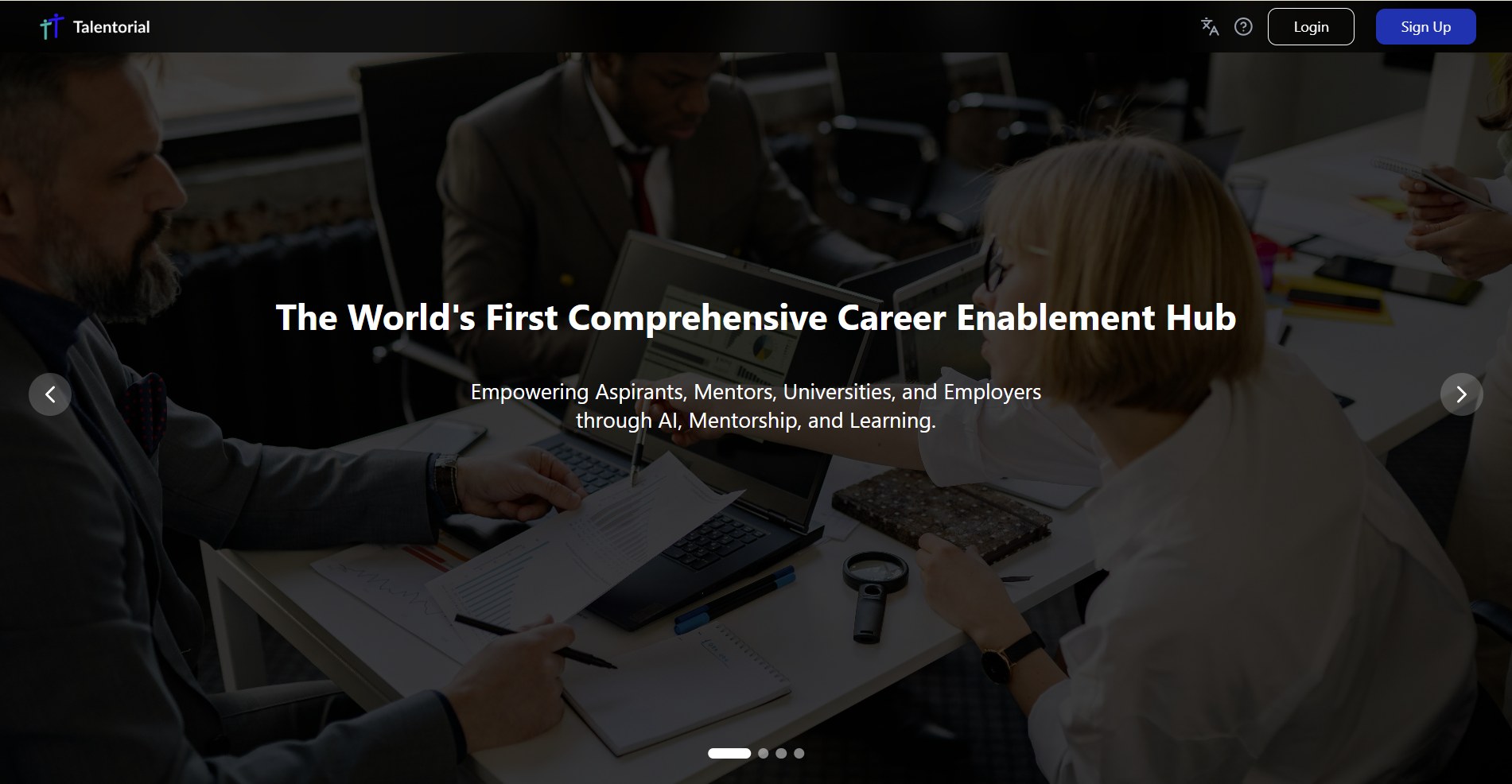
Talentorial is an AI-powered career enablement platform that closes skill gaps through one-on-one mentorship from verified industry professionals, not just automated content.
Who is it best for
Talentorial suits career services teams that want to pair skill assessments with human guidance for their students, especially students who benefit from a mentor.
Pricing
Pricing is quote based, with a freemium option. Talentorial offers a free trial.
Features for your team
- A dashboard for placement officers, with student cohorts imported into the platform
- Access to a network of verified industry professionals who mentor your students
- Employer engagement built into the platform
What your students get
- An Overall Readiness Score built from four pillars, which are Skill Readiness, Professional Behaviour, Communication Confidence, and Market Alignment, giving a more rounded picture than a single skills-only number
- Curative learning modules that target the specific gaps flagged in a student’s assessment, rather than a general course catalog
- An AI-scored Smart CV builder that reviews and improves a student’s resume against real job requirements
- AI-powered mock interviews with real-time performance feedback on delivery and confidence
- One-on-one mentorship from verified industry professionals, plus verified digital badges students can show to employers
Talentorial’s mentorship network is a strong add-on for students who want human guidance. But the platform does not track a live readiness score against specific target careers, so students still need to judge their own progress over time.
Handshake
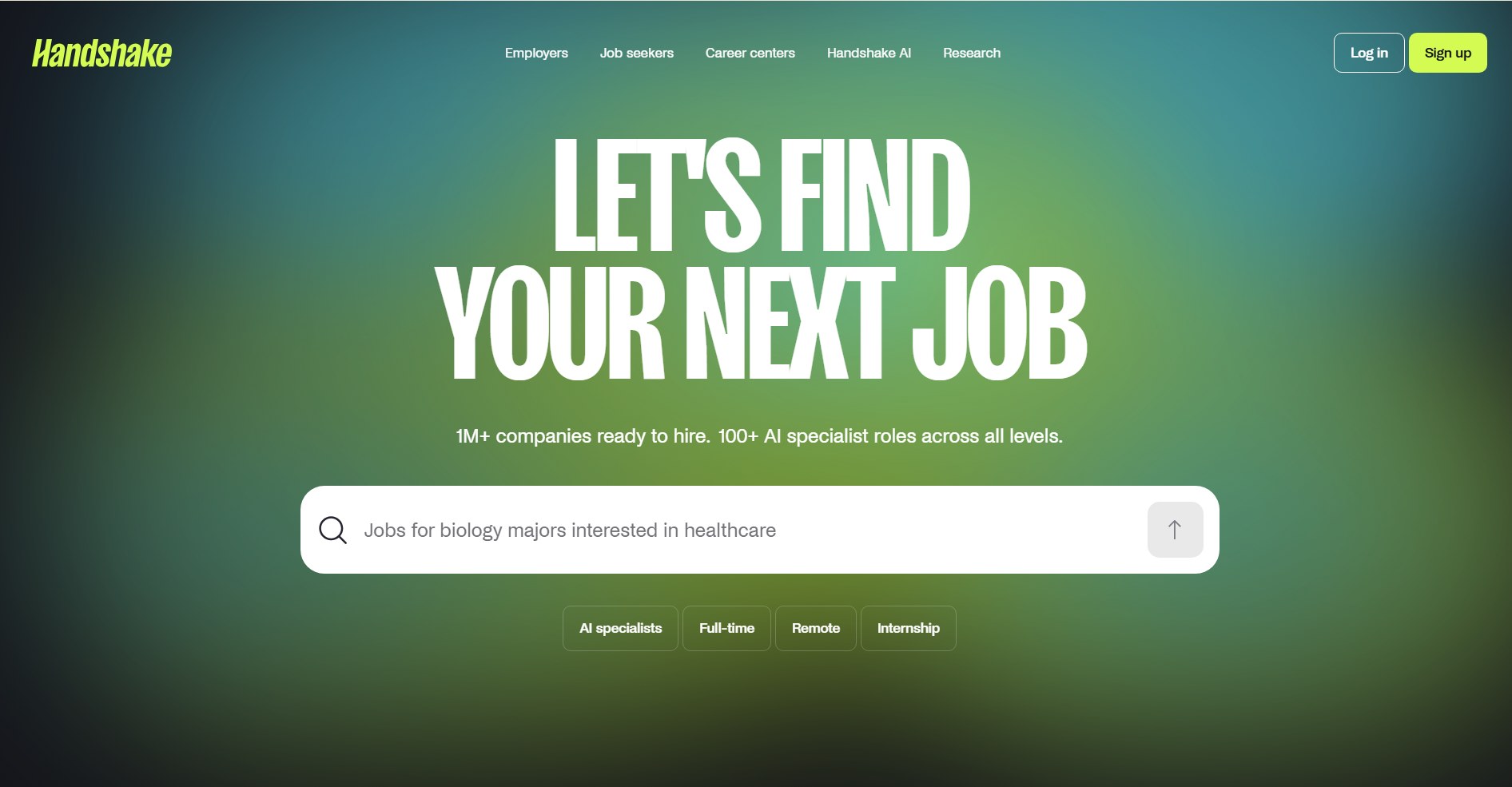
Handshake is a career services platform that helps students close skill gaps through free project-based courses and paid project work. It does not measure the gap first, so students decide for themselves which skills to build.
Who is it best for
Handshake suits career services teams at mid-size to large universities that want to run jobs, events, and appointments in one system.
Pricing
Handshake is sold to universities as an annual subscription based on student enrollment. Prices are not published, but one third-party report estimates about $8,000 a year. Handshake offers a free trial.
Features for your team
- On-campus interview scheduling
- Career fairs, in person or virtual, with event check-in
- Student appointment booking tied to targeted email campaigns
- Engagement and attendance reports after events
- A full recruiting toolkit for employers
What your students get
- AI Skills Studio, a free library of project-based courses designed with top employers to build job skills
- Paid AI project work that lets students practise those skills and gain hands-on experience
- Job recommendations based on a student’s profile, major, and stated interests
- Career fairs and recruiting events listed by date and employer
Handshake is strong for building skills and finding opportunities, with a very large number of jobs, internships, and events in one place. But it does not show your team which students lack which skills, and a student who doesn’t know their gap can’t tell which courses matter for the role they want. Thus for this there is a requirement of a separate platform.
Conclusion
Closing a skill gap takes two steps. A student has to find the exact gap, and then follow a plan to fix it in a way an employer can trust.
Three questions decide which app fits. Does it find the gap against a specific job role, or does the student have to find it first? Does it turn the gap into steps the student can follow each week? And does the progress end in a connection with employers?
Leapath answers all three. It scores students against a target role, builds a weekly plan from the gap, and matches improving students with employers hiring for that role. Handshake is stronger for finding opportunities, but students must work out their own gap. Forage builds practical experience through simulations, but leaves students to choose their own path. Talentorial finds gaps through assessment and adds human mentorship, which suits students who need guidance.
Most career services teams will combine tools, using a role-specific platform to find and close each gap, and a marketplace, simulation, or mentorship tool for the extra practice and support.