

Summary
- The best software alternative for Mettl is Leapath, a platform built for universities to prepare their students for their careers in 2026.
- The blog compares both platforms across who each is built for, campus hiring, readiness across the cohort, student plans, and pricing. It also looks at track record.
- Mettl is mainly built for employers. It runs hiring, assessments, and campus drives within a wider assessment ecosystem. Leapath is built for universities and serves students, employers, and career services teams. It starts preparing students well before placements begin.
- Leapath wins on student plans, because it finds each student’s gaps and builds a weekly plan to close them. Mettl wins on placement management tools, and on its longer track record.
- Both platforms have custom pricing, but Leapath offers a free semester trial to university career services teams. Book a free consultation call to see how Leapath can work for your students.
Introduction
If you’re comparing Mettl and Leapath, start with one question. Who was the platform built for?
Mettl is a placement management platform within a broad assessment ecosystem. It covers hiring, employee development, and AI-proctored exams, and it serves organisations of many kinds. Colleges can use it to run exams and campus placements, but students mostly meet it through assessments their college or an employer sets up.
Leapath is a placement intelligence platform built for universities. It focuses on one question. how ready are students for the jobs they want, and what should happen next?
Below, we compare the two on the questions a university team would ask.
What are the main differences between Mettl and Leapath?
We compare them on five things: student tools, placement management tools, career services team tools, pricing and track record. Each section ends with a short verdict.
1. Who is it specifically built for?
Mettl: Employers. It is an assessment ecosystem for hiring, development, and exams. It serves organisations of many kinds, and colleges can use it to run exams and campus placements.
Leapath: Primary users are career services teams. It is built for universities, and it serves students and employers through the work career services teams do. Students get a plan, employers get verified candidates, and the team sees who needs help first.
2. Placement Management Tools
Mercer and Leapath approach campus placements from different angles. Mettl is a placement management platform: it helps employers and institutions organize, assess, and run the placement process.
Mettl
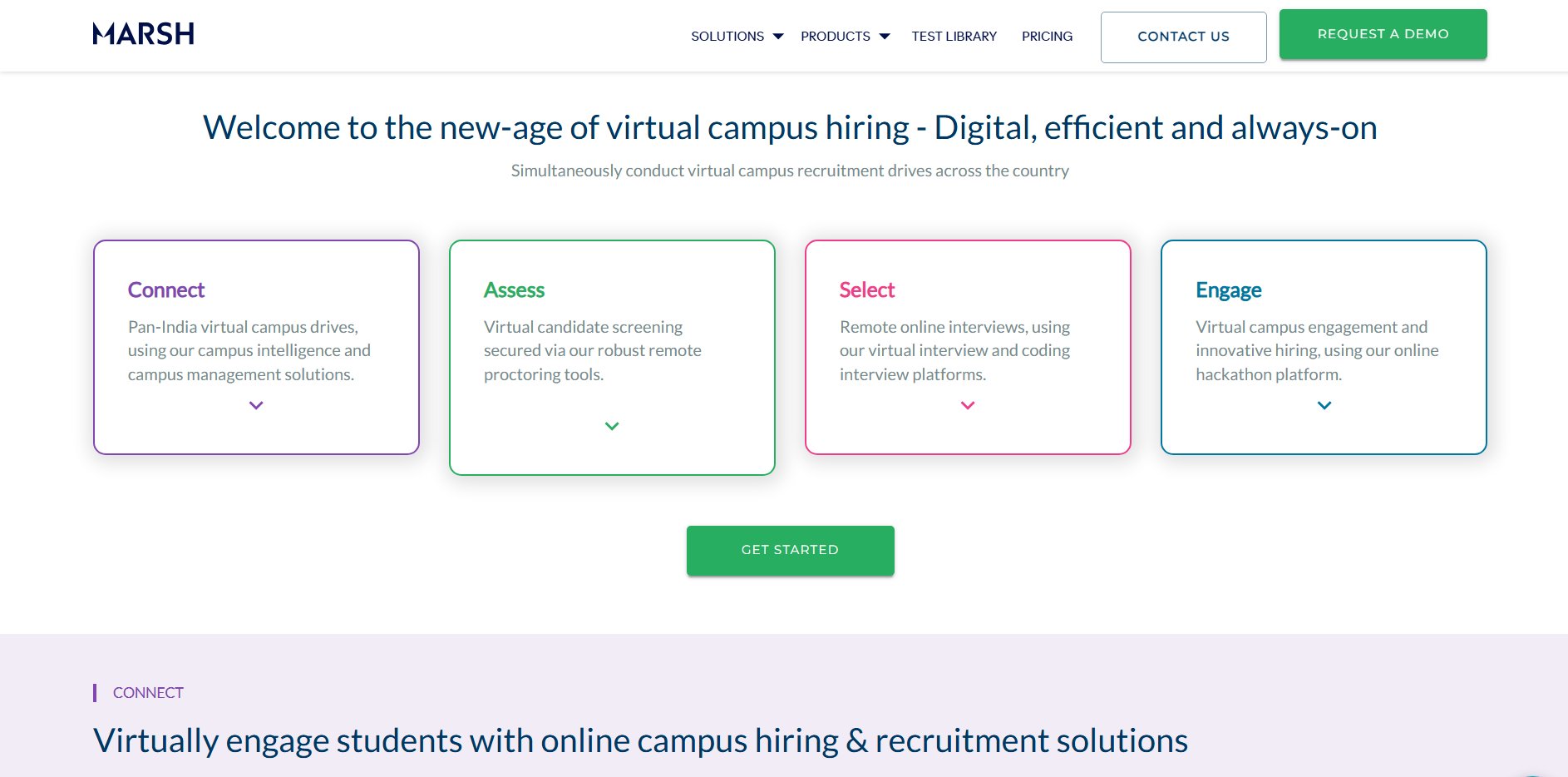
Mettl is a placement management platform: it helps employers and institutions organize, assess, and run the placement process. Here is what it offers:
- Campus targeting through its Campus Intelligence and Management Solution, which recommends campuses based on role, region, and eligibility criteria
- A test library covering personality, behavioral, cognitive, coding, communication, and role-based assessments, including live simulators
- AI-powered proctoring and three-point candidate authentication
- Structured and pair programming interviews online
- Hackathons, ideathons, and contests that help employers meet students before placements
- Tools such as 360 degree feedback and training needs identification for after the hire
Leapath
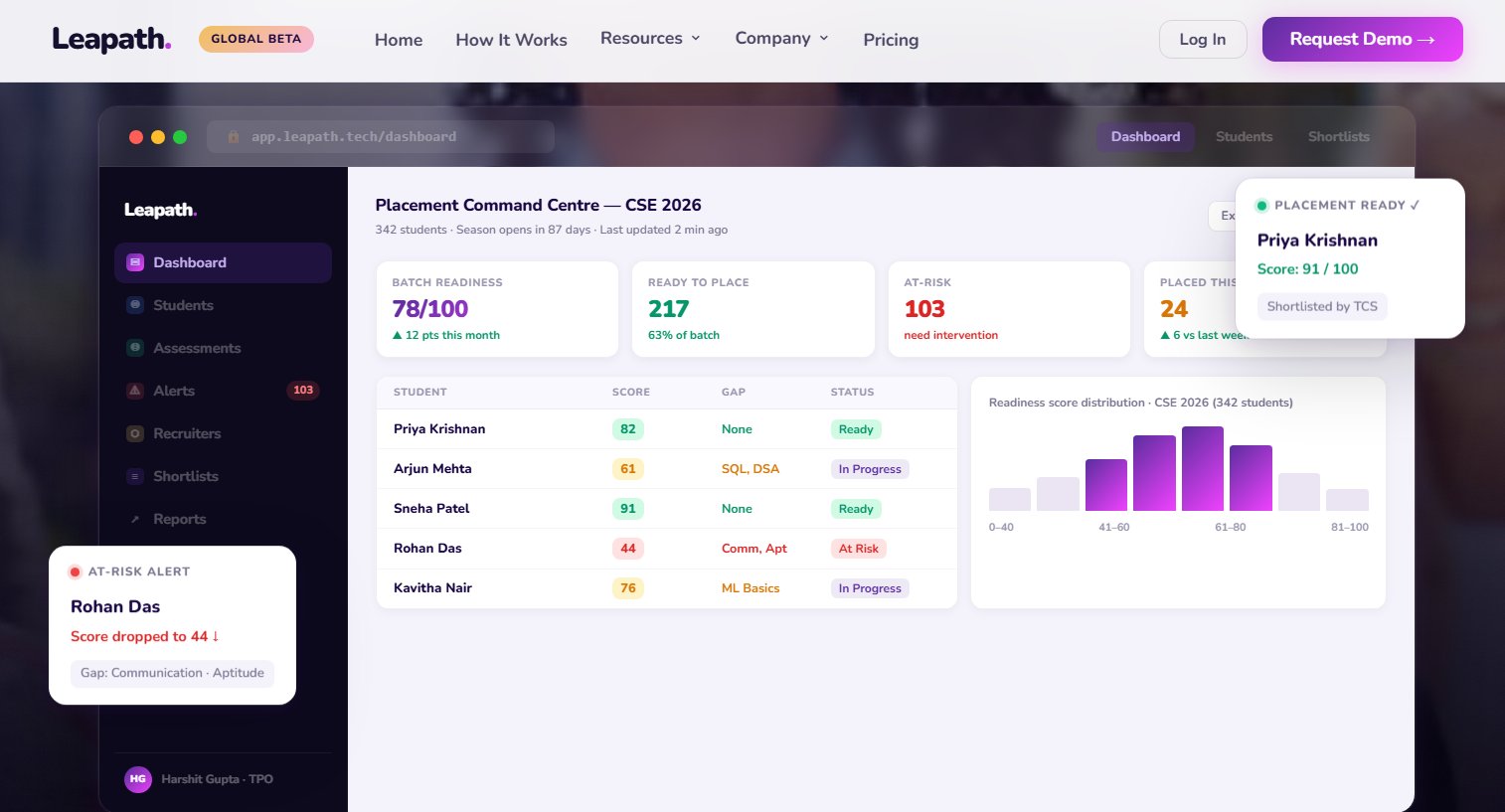
Leapath shows who is ready, what is holding each student back, and what to do next, before the process begins. Here is what offers:
- Starts a step earlier. Leapath prepares candidates before placements begin. It finds the skill gaps for each student’s target roles and builds a weekly plan to close them.
- Student profiles and scores. The team can see where each student stands individually.
- Cohort trends. Average scores and performance trends show whether the whole cohort is improving.
- Skill gaps. Gaps are shown for the whole institute and for each department, so the team knows which skills to train and where.
- At risk panel. Students are grouped into low, medium, and high risk, so the team knows who needs help first.
- Verification queue. The team reviews resume details and certificates before employers see them, so candidates reach employers free of false claims.
- Matches. Students who reach the readiness level are matched with employers hiring for their target roles.
Verdict
A university could use Leapath to prepare students and Mettl to manage the process. If you can only choose one, pick the one that matches your bigger problem. Whether it is managing placements at scale, or knowing whether students are ready for them.
3. Career Services Team Tools
Knowing which students are ready before placements begin lets a career services team act early instead of finding out at the drive. This section compares how each platform shows readiness across a whole cohort, not just a single student.
What Mettl offers
Mettl gives you assessments. It tests students on aptitude, personality, coding, and communication, and it shows how each one performed. What it does not do is turn those results into a view of the whole cohort. You see scores, but you have to work out for yourself which skills the group is missing and which courses would help most.
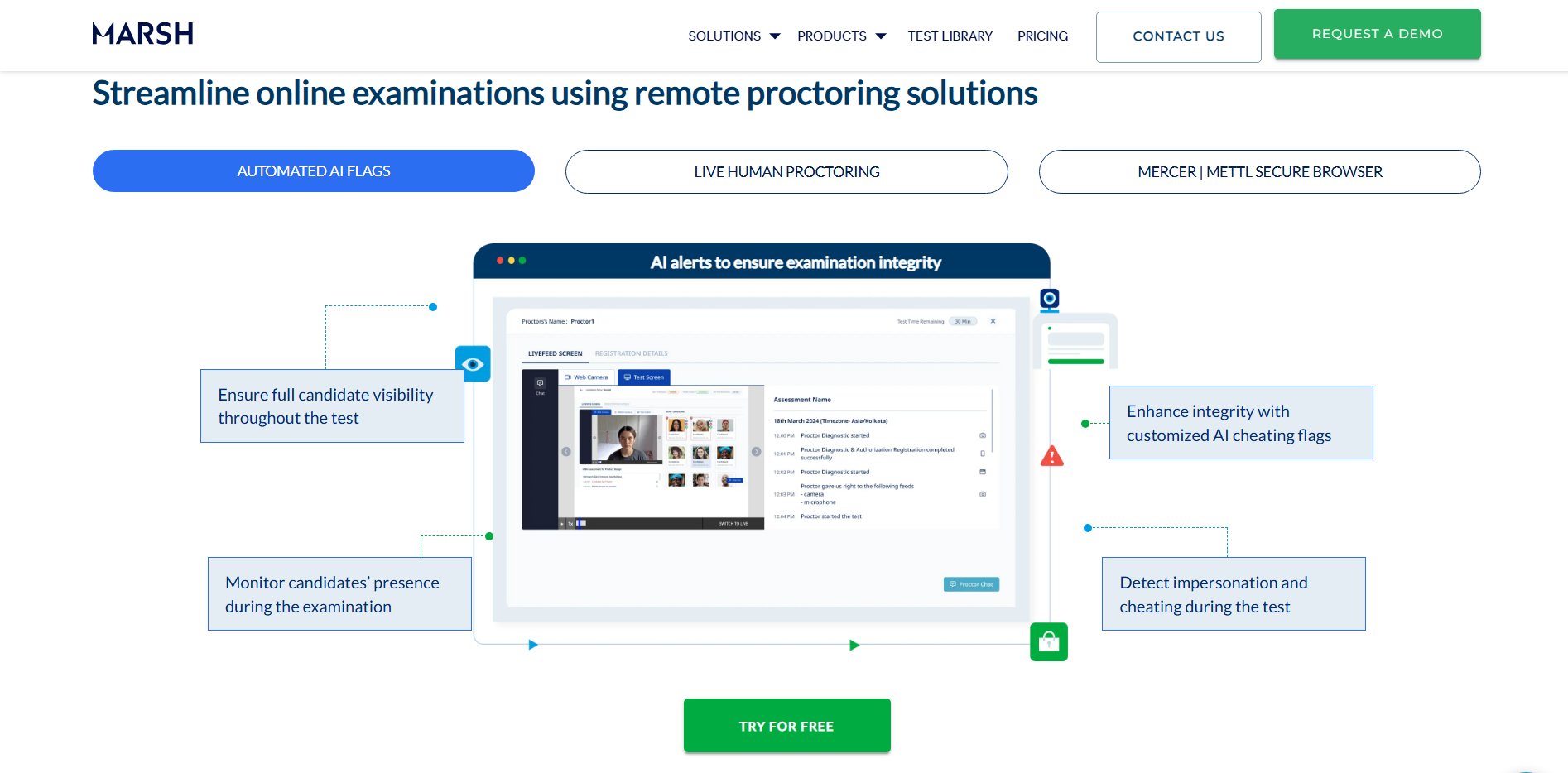
- AI proctored exams, including semester and entrance exams, with customisable assessments and flexible scheduling
- A large question bank, with room for your own questions
- Reports on how students performed
- Virtual campus drives across colleges
- Assessment results that guide students toward drives matching their skills
What Leapath offers
Mettl stops at individual results. Leapath goes on to show where the whole cohort stands, tracks whether it is improving over time, and recommends which courses would help most students. That gives your team a clear basis for deciding where to put effort before placements begin.
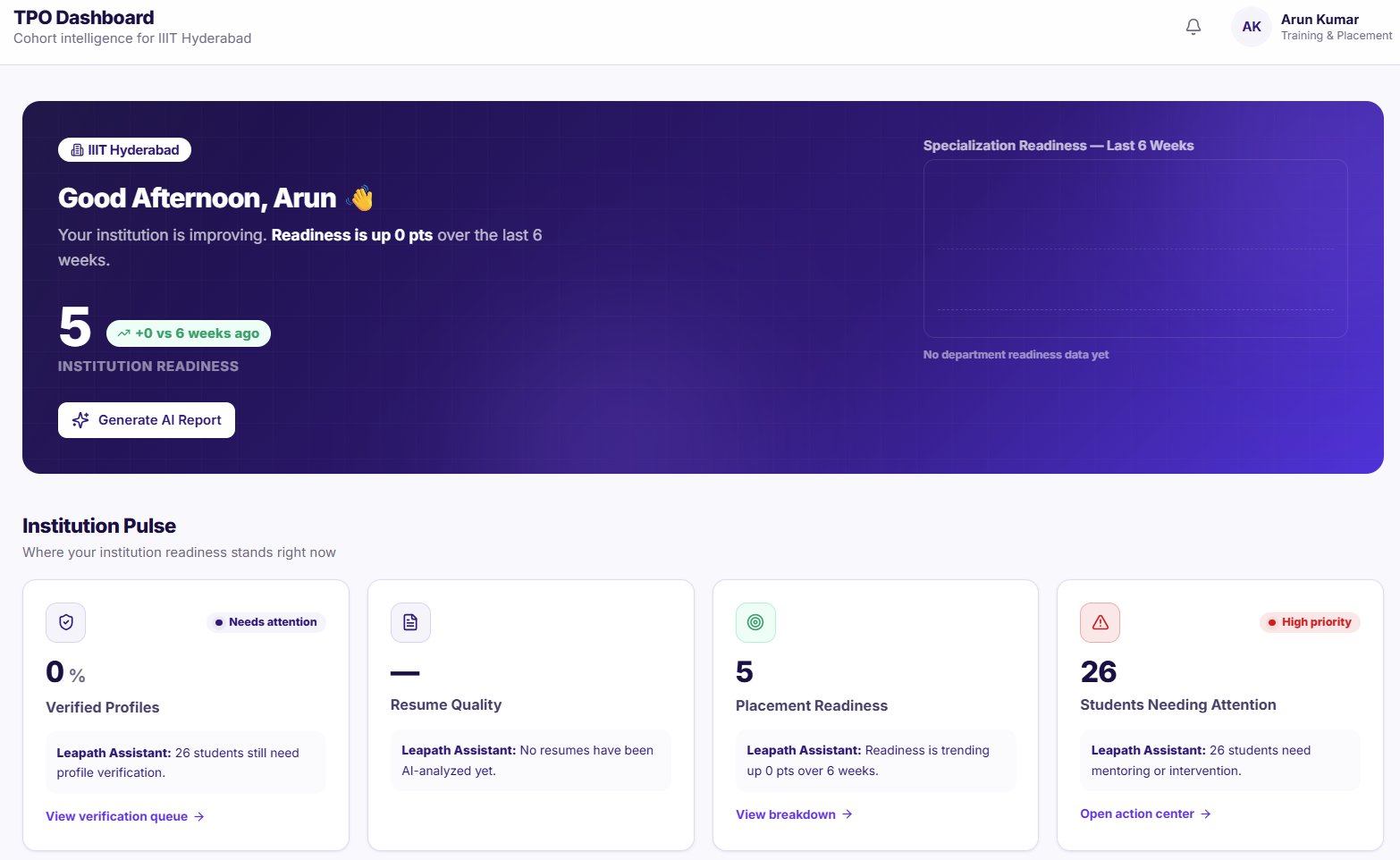
- Cohort trends. Average scores and performance trends show whether the whole cohort is improving.
- At risk panel. Students are grouped into low, medium, and high risk, so the team knows who needs help first.
- Institute vs national average. This view shows how the college compares with others.
- Reports. The team can generate monthly updates for deans or principals.
- Hiring pipeline. The team tracks each student’s stage from applied to interviewed to hired, per student or across the whole cohort.
Verdict
Leapath wins when the question is who is ready. Mercer | Mettl can measure skills too, but its process starts with building a competency framework and mapping the right tools, so a readiness view takes more work. Leapath comes ready to show who is at risk, which skills are missing in each department, and how the college compares nationally. Mercer | Mettl is still stronger for running secure exams and virtual drives at scale.
4. Student Tools
Finding a skill gap helps only if the student knows what to do about it. This section compares what each platform gives students after their skills are measured, and who is responsible for the next step.
What Mettl offers
Mettl gives students feedback after each assessment. A student takes a test, sees how they performed, and learns where they lost marks. What it does not do is pull those results into one overall plan for the skills they need for their target roles. The next steps are left to the student, the college, or the employer to work out.
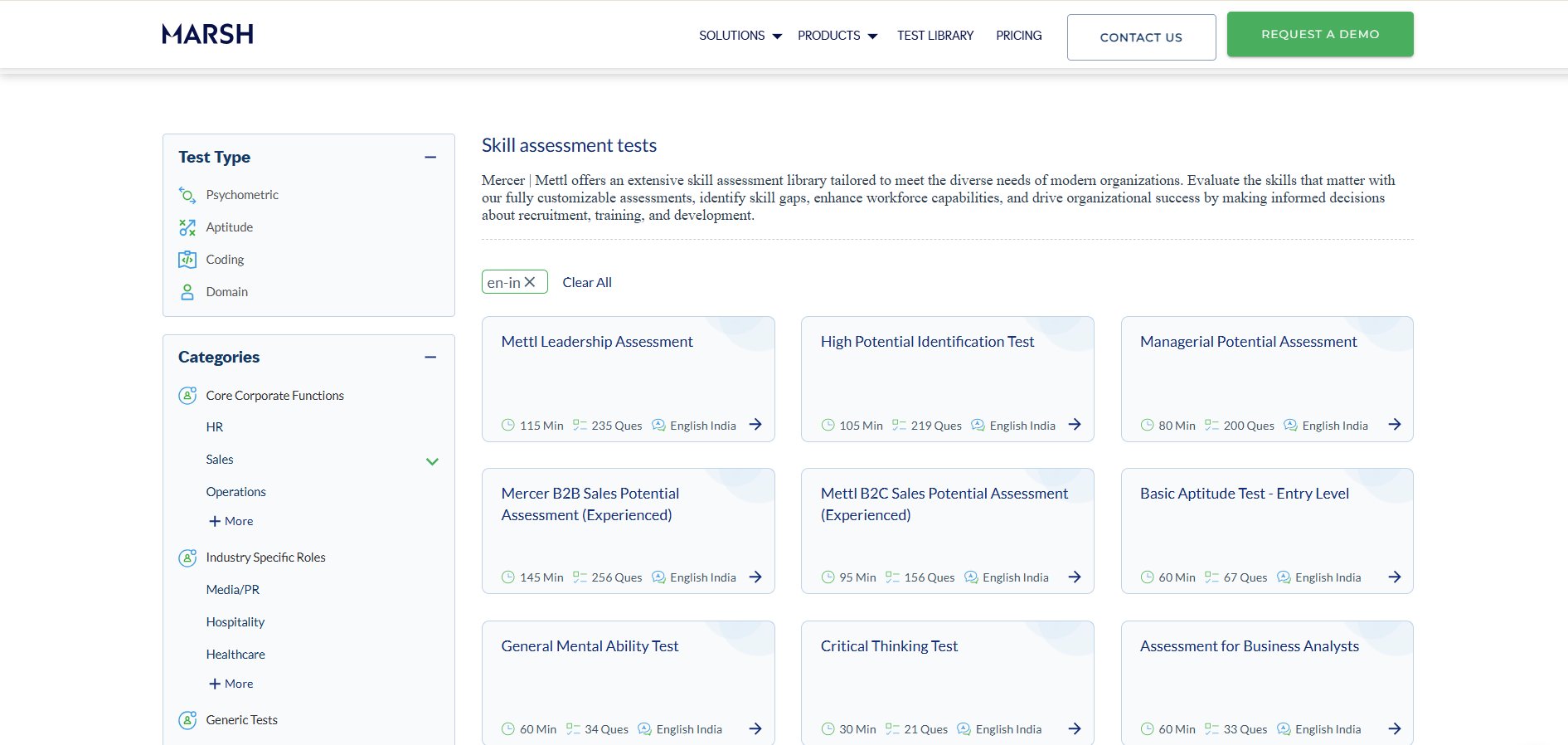
- Tests on aptitude, personality, communication, and job skills
- Coding simulators and domain tests
- Spoken English assessment through tools such as SpeechX
- Skills gap measurement, though its learning and development tools are designed mainly for employee development
- Placement preparation tests and virtual hackathons and competitions
What Leapath offers
Leapath combines a student’s skill gaps for a target role into one sequenced plan. It splits each gap into weekly steps with a tracker, so the student sees what is done and what comes next.
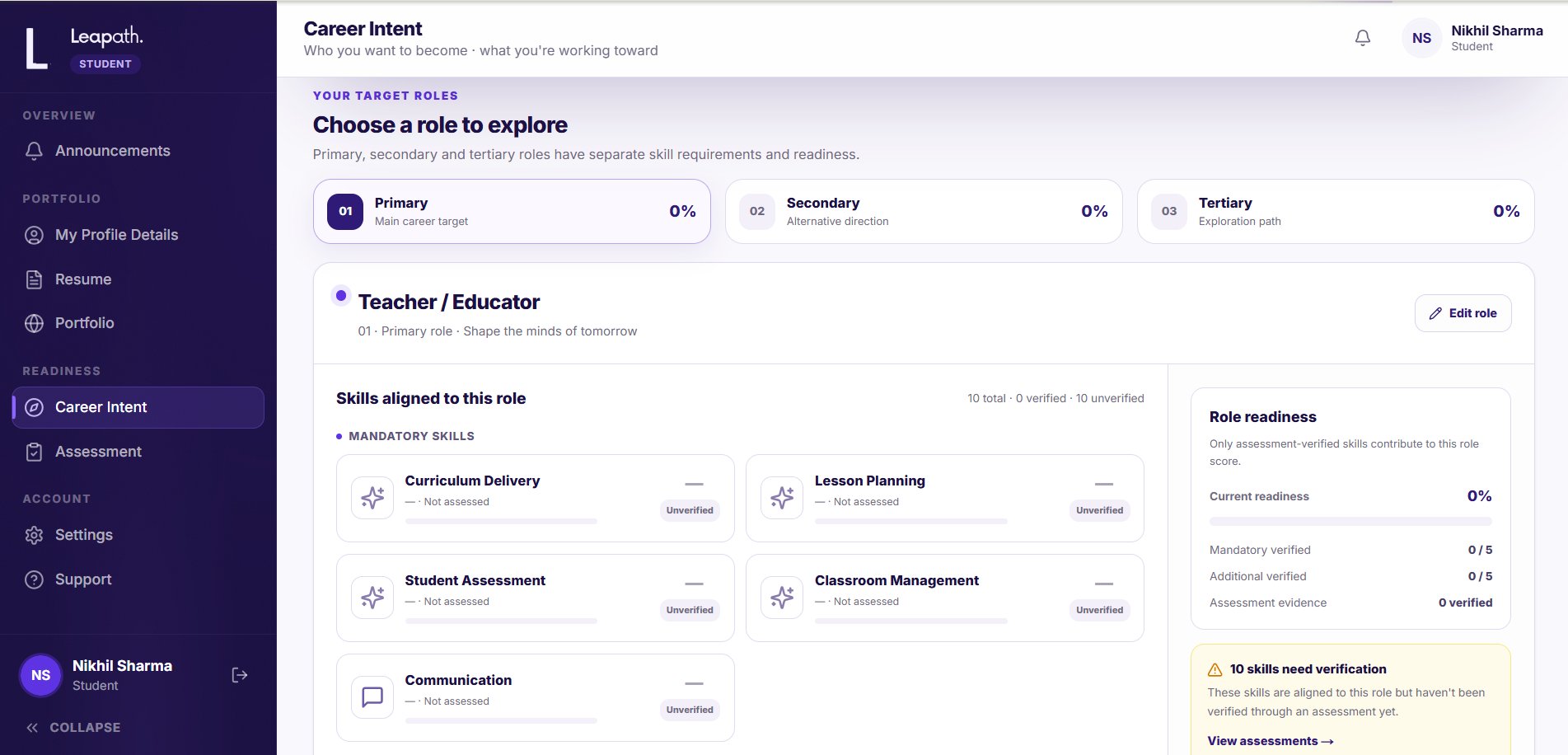
- A live job readiness score out of 100, with separate scores for technical ability, communication, and problem solving
- The skills holding the student back, compared with what employers want for the target role
- A weekly roadmap with a tracker, instead of leaving the student to decide the order
- Role fit scores for a primary, secondary, and tertiary target role
- A shareable public profile with verified skills, showing who has viewed it and which employers have shortlisted them
Verdict
Leapath wins because it puts the student’s plan first. Mercer | Mettl has a much wider range of tests and can show gaps, but it is designed for HR and learning teams, so the next steps are left to the college or employer to set up. Leapath puts the plan in the student’s hands.
5. Pricing
Mettl
The quote depends on candidate volume, assessment types, proctoring mode, and integrations. One software review site describes the model as pay-per-use and subscription, with plans chosen by the number of assessments, tests, or users. A third-party buying guide also notes that extra proctoring hours in peak exam seasons and support or training packages for large teaching staff can add to the cost. Prices aren’t published on Mettl’s website.
Leapath
Pricing is custom, based on the size and needs of the institution. A free semester trial is currently available for university career services teams.
Verdict
Neither platform publishes a price list, so the comparison comes down to what you would actually use. Mettl’s cost scales with volume and add-ons such as proctoring, which suits high-volume exams and placements. Leapath is priced to your institution, and its free semester trial makes it easier to test before you commit. Ask both for a written quote that lists exactly what is included.
6. Track record and reviews:
A platform’s track record tells you how much evidence you have to check its claims.
Mettl
Mettl says it works with more than 6,000 clients and runs more than 12 million assessments every year. It says it has run over 20,000 campus drives, reaching students at more than 2,000 educational institutions across India. The platform is available in over 30 languages. G2 has recognised it as a global leader in assessment technology.
Leapath
Leapath has far fewer reviews. This does not say anything negative about the product itself, but it does mean there is less outside proof to check its claims against.
Which has the better track record?
Mettl wins. It has more clients, more campus drives behind it, and more institutions you can ask for references. With Leapath, your own trial or demo matters more than outside validation.
Conclusion
Choose Mettl if your biggest need is a broad assessment ecosystem, with secure exams, campus hiring, and tools for development in one place. It gives students a wide range of tests, gives employers a full hiring toolkit, and gives colleges proctored exams and virtual drives.
Choose Leapath if your biggest need is knowing whether students are ready. It measures real skills against real roles, shows each student what they are missing, gives employers a smaller group of candidates who have already been verified, and shows your team who needs help first.
Both platforms aim to help students get hired. The better one for you depends on whether you want a wide toolkit or a focused answer to one question, which is whether your students are ready.
See job readiness scoring live
Book a 30-minute walkthrough. We'll onboard a sample of your cohort and show you the dashboard on the call.